⭐ The Magic of Silly Stories: Why Humor Helps Kids Learn
By TJKidz • Super Fun Stories
Kids love to laugh — and honestly, so do we. Whether it’s a goofy character, a ridiculous situation, or a rhyme that makes absolutely no sense, silly stories have a special kind of magic. They grab a child’s attention, spark imagination, and open the door to learning in ways that feel effortless and fun.
But humor isn’t just entertainment. It’s a powerful tool for helping kids grow.
Here’s why silly stories matter more than we think.
⭐ 1. Kids Remember What Makes Them Laugh
When something is funny, the brain lights up. Kids are far more likely to remember:
-
a silly character
-
a goofy rhyme
-
an unexpected twist
-
a moment that made them giggle
Humor creates emotional “stickiness,” which helps children recall details, vocabulary, and story structure long after the story ends.
That’s why stories like The Farting Fox and the Not‑So‑Stinky Skunk or The Gourmet Vulture stay with them — the laughter locks the lesson in place.
⭐ 2. Humor Lowers Anxiety and Builds Confidence
Kids deal with big feelings every day — frustration, embarrassment, fear, confusion. Silly stories give them a safe space to relax and breathe.
When a child laughs, their body releases tension. When a story is playful, they feel safe enough to explore new ideas.
Humor tells kids: “You don’t have to get everything right. You can just enjoy this moment.”
That sense of ease makes learning feel natural instead of stressful.
⭐ 3. Gross‑Out Humor Is Secretly Brilliant
Let’s be honest — kids LOVE gross stuff. Boogies, burps, potty sounds, and all the things that make adults cringe a little — they think it’s hilarious.
And here’s the secret: that kind of humor is actually a fantastic engagement tool. It keeps kids focused, curious, and eager to hear what happens next.
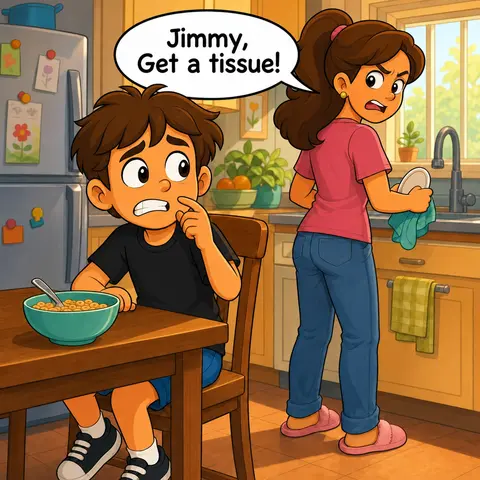
This Thursday, we’re sharing a rhyming story that taps right into that goofy world — Little Jimmy Rose Can’t Stop Picking His Nose. It’s the kind of tale that will have kids laughing out loud and parents cringing… while secretly giggling too.
Stories like How Did This Poo Get on My Shoe? prove that even the silliest, messiest moments can pull kids in and keep them listening. What starts out as a goofy, gross laugh — poor Mr. McBlue stepping in dog poop — actually turns into a heart‑warming story about a lonely old man who discovers a stray dog family and adopts them. It’s the perfect resolution for both sides: the humor draws kids in, and the kindness keeps them thinking long after the laughter fades.
When a child is laughing at something silly or “gross,” they’re not just giggling — they’re connecting, imagining, and learning. The laughter opens the door for lessons about empathy, problem‑solving, and even self‑awareness.
So yes, sometimes the road to learning is paved with burps and boogies — and that’s perfectly okay.
⭐ 4. Rhyming + Humor Boosts Language Development
Silly rhymes and playful word combinations help kids:
-
hear patterns
-
predict sounds
-
build vocabulary
-
strengthen memory
-
practice early reading skills
A funny rhyme is more than a joke — it’s a language workout disguised as fun.
⭐ 5. Goofy Stories Encourage Creativity
When a story breaks the rules — talking animals, impossible situations, unexpected endings — kids learn that imagination has no limits.
Silly stories teach them:
-
to think outside the box
-
to explore “what if” ideas
-
to see the world in playful ways
-
to create their own stories
Humor frees the mind to wander, and wandering minds make the best creators.
⭐ 6. Parents Shouldn’t Shy Away From Goofy Tales
Sometimes adults think stories need to be serious to be meaningful. But silly stories can carry big lessons too.
They can teach:
-
resilience
-
problem‑solving
-
empathy
-
confidence
-
curiosity
All while keeping kids smiling.
A child who laughs while learning is a child who wants to learn again tomorrow.
⭐ Final Thought
Silly stories aren’t just fun — they’re powerful. They help kids learn, grow, and feel safe exploring the world around them.
So the next time your child giggles at a goofy character or a ridiculous rhyme, know this: They’re not just laughing. They’re learning.
And that’s the magic of silly stories.
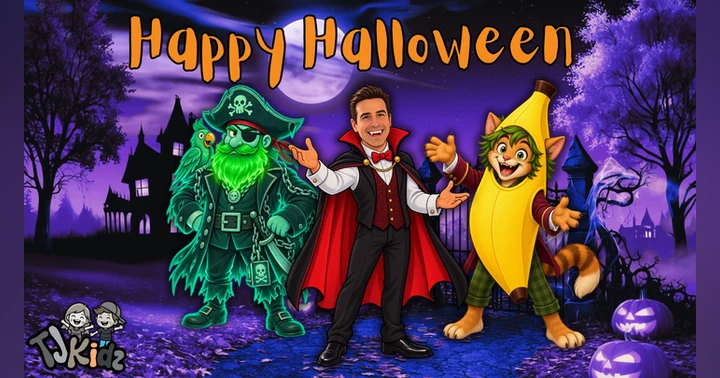
🎃 Halloween Season Has Arrived at TJKidz!